
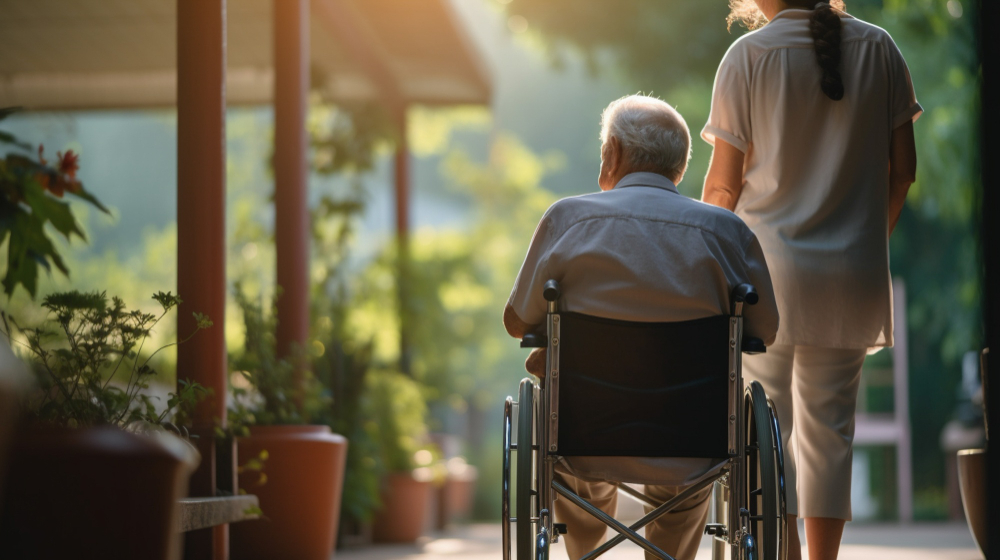
How professional home care allowed us to bring our father home while we waited for answers.
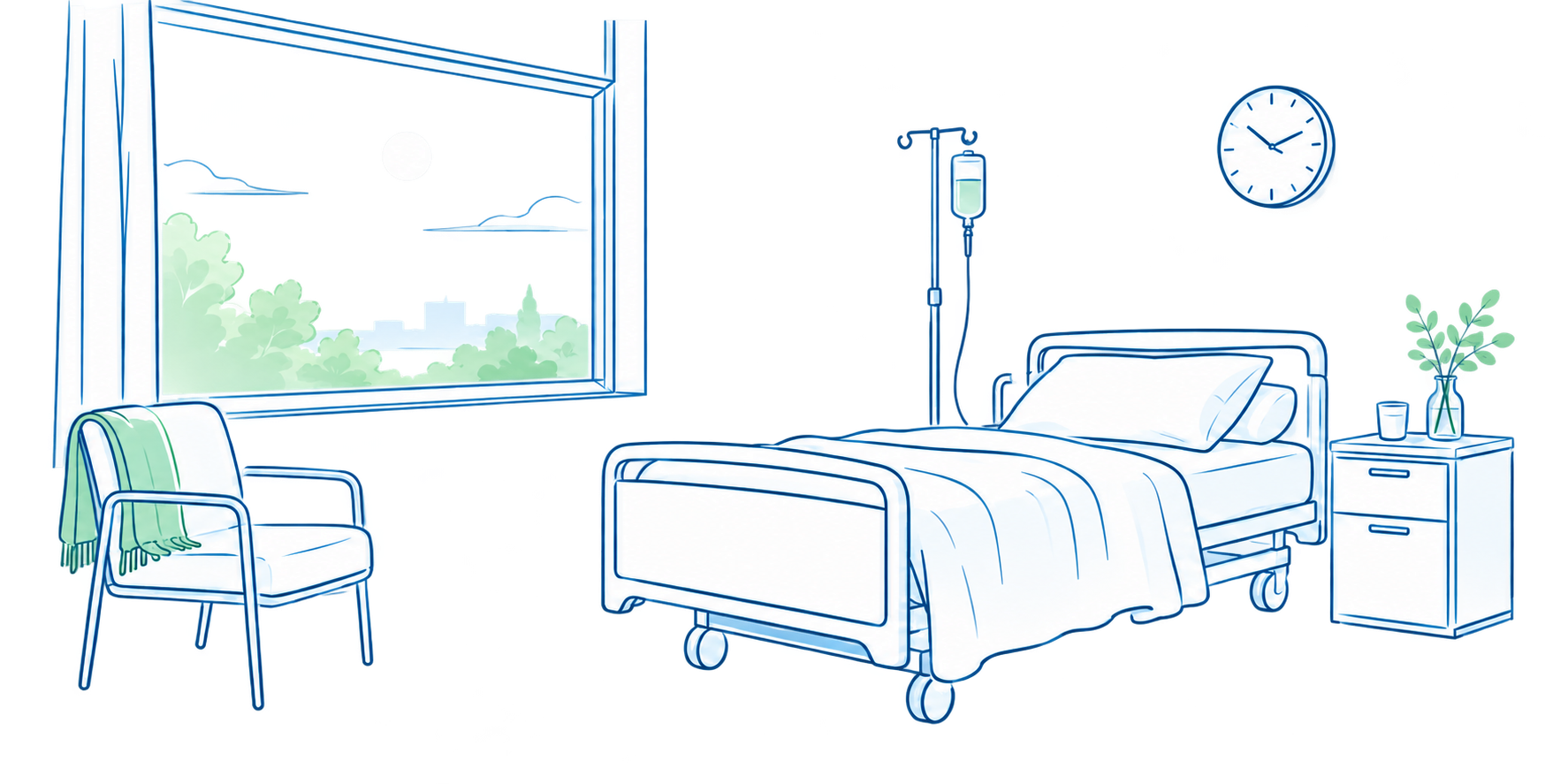
When our dad was diagnosed with Stage 4 cancer, we did what many families would do: we fought. There were consultations, tests, procedures, medicines, hospital stays, and bills. At one point, Dad underwent surgery, and afterward, we remained in the hospital while waiting for the results. Staying was the best option then. He had just come out of surgery, and we felt safer knowing he was surrounded by doctors, nurses, and the medical resources he might need while recovering.
But as he recovered, waiting for one set of results turned into waiting for another. Eventually, there was no immediate procedure requiring him to remain in the hospital, yet every additional day meant additional costs.
Staying in the Hospital Was the Best Option—Until It Wasn’t Necessary
I don’t regret our decision to stay after Dad’s surgery. At that stage of his recovery, having medical professionals, equipment, and emergency support around him mattered enormously to us. But his situation changed. We reached a point where we were staying primarily because we were waiting for results and the next medical decision.
Honestly, a hospital is not a hotel. You don’t stay because you enjoy being there; you stay because there is a medical reason to be there.
By then, our cash was being depleted and our savings were running dry. We didn’t know how long Dad’s cancer journey would be, so preserving some of our remaining resources for the care he might need later also became part of taking care of him.
Logically, staying in the hospital simply to wait was becoming difficult to justify. Emotionally, however, leaving was much harder.
As the days passed, we had to consider the cost of remaining in the hospital against the expenses that might still lie ahead—more tests, medicines, consultations, treatment, or another hospitalization.
Why Going Home Still Felt Like Giving Up
For months, the hospital had represented safety. It was where Dad had his surgery and where doctors and nurses were caring for him. As difficult as being there was, staying made us feel that we were doing everything we possibly could for him.
So even when remaining in the hospital was becoming less necessary, the idea of bringing him home felt uncomfortable. Part of us wondered whether leaving the hospital meant we were no longer fighting as hard for him.

The financial reality made that feeling even more complicated. We knew the hospital bills were becoming difficult to sustain and that there could be many more expenses ahead. But when the person you’re making that calculation for is your father with Stage 4 cancer, even a reasonable financial decision can carry guilt. We wondered whether we were doing enough and whether, if money were unlimited, we would have chosen differently.
Serious illness can put families in situations where medicine, money, fear, hope, and love become difficult to separate. We couldn’t remain in the hospital indefinitely simply because being there made us feel safer, but we also weren’t prepared to bring Dad home unless he could still receive the care he needed.
That was when we spoke with his doctors about what going home would actually mean.
The Doctors Allowed Us to Bring Him Home—with a Caution
Dad’s doctors cleared him to go home while we waited for the next results, but they gave us an important caution: he still needed medical attention. His vital signs had to be monitored regularly, his medications had to be taken correctly and on schedule, and someone needed to watch for changes in his condition. He also had follow-up appointments at the clinic and needed someone to accompany him.
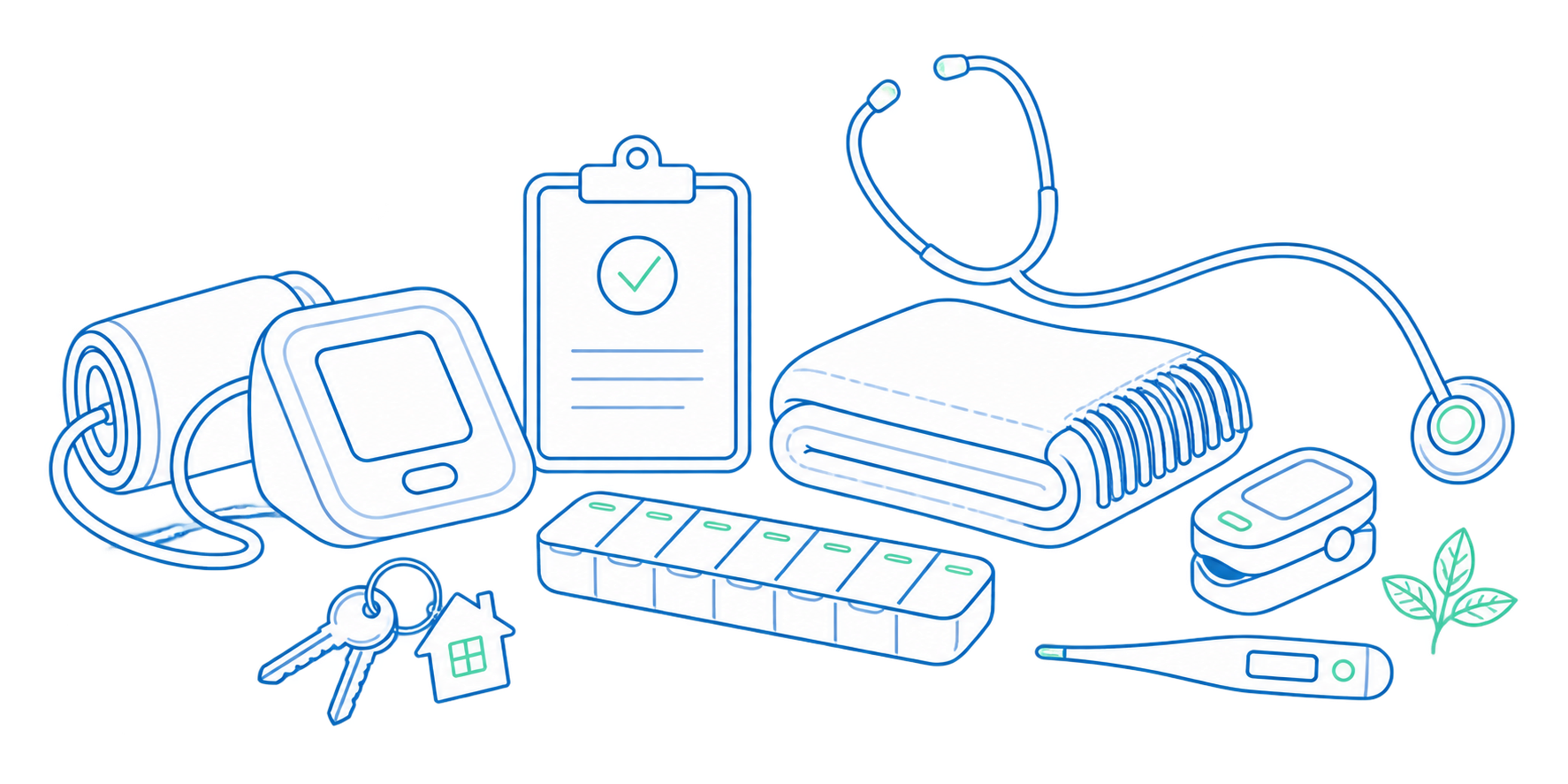
In other words, we needed a medical professional at home, regularly. At the time, no one in our family had a medical background, and we weren’t comfortable assuming we could manage his care on our own.
So we arranged for private-duty nurses. Finding and arranging the right nurses wasn’t easy, but eventually, we made it happen.
His Care Continued at Home
Once Dad was home, his private-duty nurses took care of the medical needs his doctors had outlined and accompanied him to his follow-up appointments. We weren’t left to figure everything out on our own.
At home, something else changed too. Dad was still a patient with serious medical needs, but he was also simply Dad. Instead of our days revolving entirely around hospital routines, we could spend time with him in familiar surroundings.
Having professional support meant we didn’t have to become everything for him. His nurses could focus on his clinical needs while we talked with him, sat with him, helped with everyday things, and simply spent time with our father.
Professional care didn’t replace the family. It helped us continue being his family.
Home Doesn’t Have to Mean the Family Is on Its Own
Before this experience, it was easy to think there were only two options: stay in the hospital, where professionals provide care, or go home, where the family takes over. Our experience showed us that there can be something in between.
Research on hospital-to-home transitions similarly emphasizes continuity of care. A 2025 systematic review in the European Journal of Ageing, covering 25 randomized controlled trials involving more than 17,000 older adults, examined transitional-care approaches that commonly included discharge planning, coordination, caregiver involvement, follow-up, and home-based support. A systematic review and meta-analysis in Geriatric Nursing also examined transitional care for frail older adults after hospital discharge, although outcomes varied across interventions and time periods.
Our arrangement with private-duty nurses was not the same as these formal transitional-care programs. But the underlying principle reflects what our family experienced: care does not necessarily have to stop at the hospital door.
There were also costs beyond the hospital bill. Someone had to take time away from work, coordinate appointments, buy medicines, arrange transportation, talk to doctors, and manage finances. When you’re living through it, you don’t necessarily think of yourself as a caregiver. You’re simply a daughter, son, spouse, or sibling trying to care for someone you love.
We were trying to make responsible decisions with finite resources during an illness we couldn’t predict. Our resources were finite. Our love for him wasn’t.
Why Care Panda Exists
Years later, when I began thinking about Care Panda, I kept returning to this experience. Behind every family looking for a nurse or caregiver, there is usually a much bigger story.
Maybe a parent is being discharged after surgery. Maybe an elderly family member can no longer safely stay alone. Maybe a daughter has exhausted her leave from work, or the children live overseas and are trying to coordinate care from another country. Or maybe another family is sitting in a hospital room, watching the expenses accumulate and wondering:
If we bring our loved one home, can we still make sure they are properly cared for?
Care Panda isn’t meant to replace hospitals or doctors. There will always be illnesses, procedures, emergencies, and medical conditions that require hospital care, and decisions about discharge should be made with the patient’s healthcare team. But there is a large space between “this person needs to be in the hospital” and “this person doesn’t need any help.”
It is the space between medical events—after surgery, during recovery, while waiting for results, or after discharge while waiting for the next treatment decision. A person may no longer need a hospital bed but may still need nursing care, assistance with daily activities, companionship, or other support at home.
Our dad was once in that space. Finding and arranging private-duty nurses wasn’t easy, but once we did, they helped us care for him at home while we waited for what came next.
That experience became part of how I understand home care today, and part of why Care Panda exists: to make it easier for families to find nurses and caregivers when someone they love needs appropriate support at home.
Bringing Dad Home Didn’t Mean Giving Up
Immediately after Dad’s surgery, staying in the hospital was the best option for us. Later, when his condition allowed it, we brought him home with his doctors’ clearance and professional care in place.
We continued hoping and making decisions as new information came. Most importantly, we could continue being his family.
Looking back, bringing Dad home wasn’t giving up. It was finding a different way to continue caring for him.
Sometimes, home isn’t where care ends. Sometimes, it’s simply where care continues.
References & Further Reading
Steiner, L. M., Osmancevic, S., Hahn, S., Bonetti, L., & Zwakhalen, S. (2025). The effectiveness of interventions on clinical and patient-reported outcomes in hospital-to-home transitions of older adults: A systematic review. European Journal of Ageing, 22, Article 58. DOI: 10.1007/s10433-025-00890-w.
Lee, J. Y., Yang, Y. S., & Cho, E. (2022). Transitional care from hospital to home for frail older adults: A systematic review and meta-analysis. Geriatric Nursing, 43, 64–76. DOI: 10.1016/j.gerinurse.2021.11.003.
This article shares our family’s experience. Every patient’s medical condition and circumstances are different. Home nursing or caregiving is not a substitute for hospitalization when hospital-level treatment is required. Decisions about hospital discharge, cancer treatment, and home care should be made with the patient’s treating healthcare professionals.
Ready to Get Involved?
Whether you’re looking for care, interested in joining our caregiver network, or exploring a partnership, we’d love to hear from you.